Introduction to Gnosticism
Knowledge as salvation, and the myths that carried it.
“Gnosticism” is a modern label for a family of early Christian and related movements that taught salvation through gnosis, a direct, transforming knowledge of one’s divine origin. For centuries they were known mainly through their opponents; recovered texts now let them speak for themselves.
This guide introduces the core myths, the surviving writings, and the scholarship that shaped how we read them.
What It Is
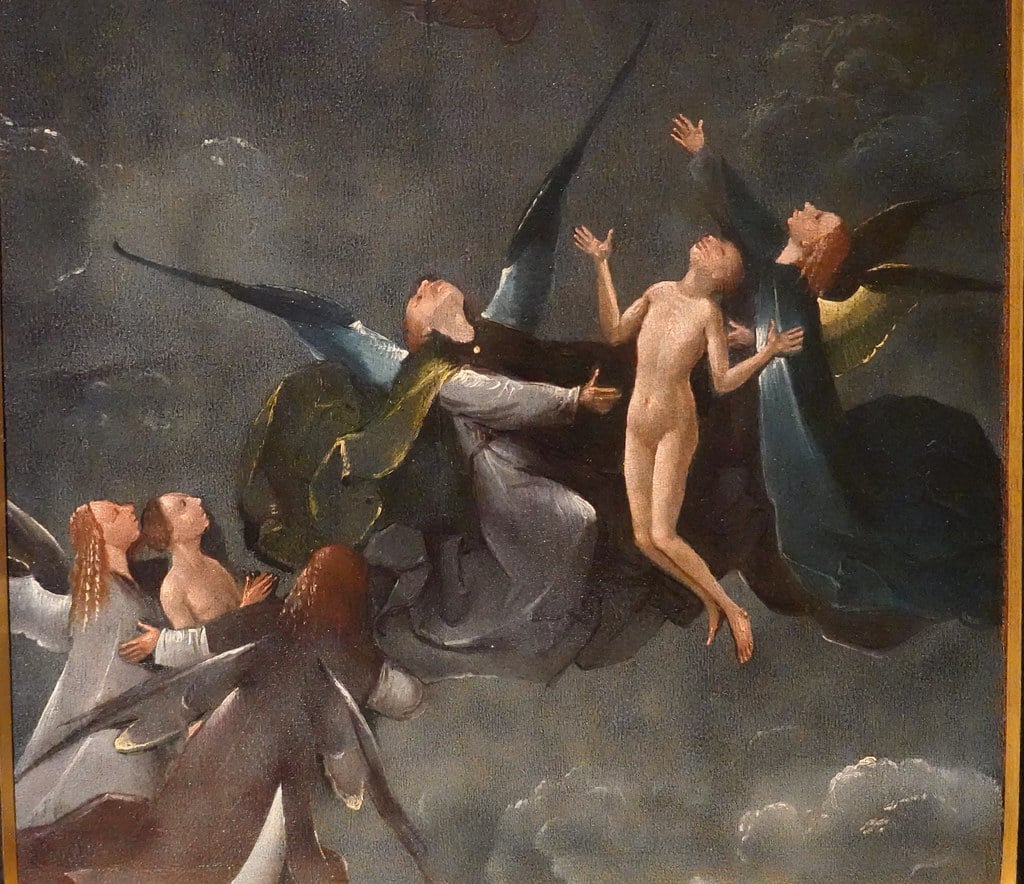
Many Gnostic systems tell of a fall within the divine world: Sophia, Wisdom, errs, and from her error arises a lesser creator, the Demiurge, who makes the material cosmos. Human beings carry a spark of the higher world and can awaken to it.
Our sources include the Pistis Sophia and other Coptic codices, sayings collections such as the Gospel of Thomas, and the refutations of Irenaeus and Hippolytus, which preserve summaries of lost systems.
Why It Matters
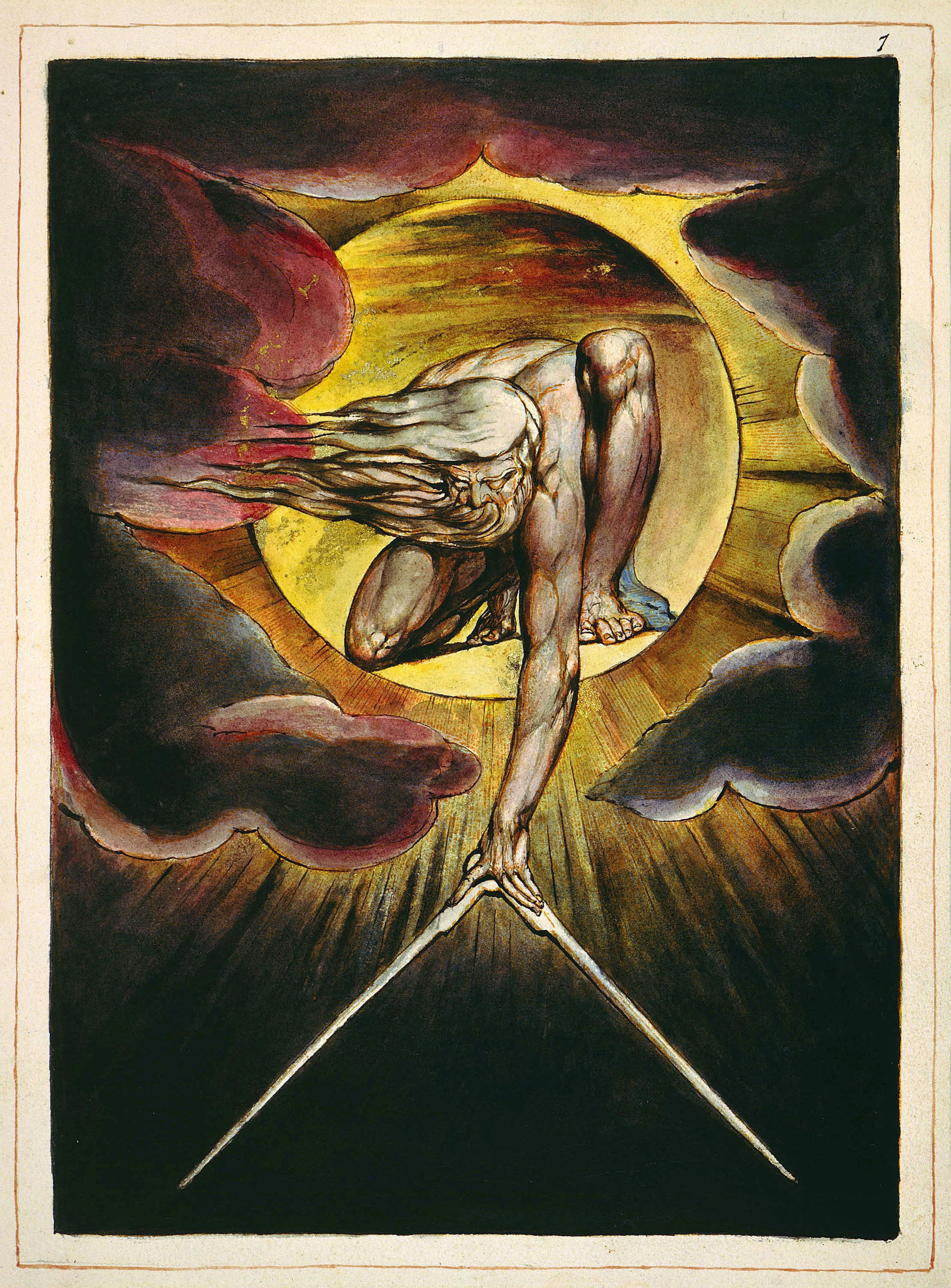
Gnostic ideas recur throughout Western esotericism, in Hermetic ascent, Cathar dualism, Blake’s poetry and Jung’s psychology. Knowing the ancient sources lets you judge the many modern appropriations.
Core Texts
Ancient Gnostic texts and the classic studies of the movement.
Philosophumena, or The Refutation of All Heresies
Hippolytus
A Beginner’s Sequence
A historical survey
Mead and C. W. King assembled the evidence available before the modern discoveries. Clear, and still useful.
A sayings gospel
Short, enigmatic sayings of Jesus. Read slowly and compare with the canonical gospels.
A full Gnostic text
A long revelation dialogue in which the risen Jesus recounts the fall and repentance of Sophia.