Foundations of Esoteric Philosophy
Plato, Pythagoras and the Neoplatonists: the roots beneath the tree.
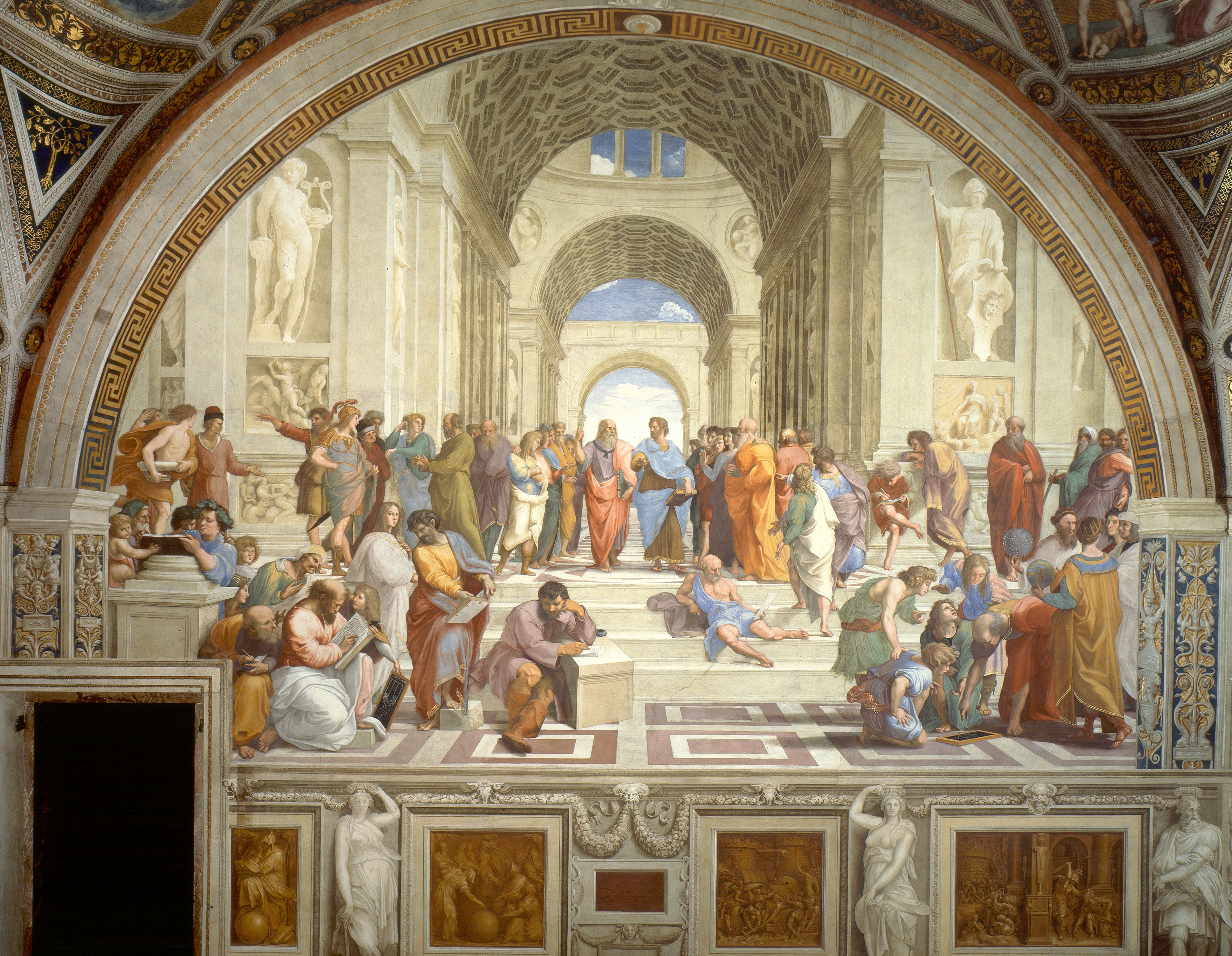
Almost every Western esoteric system rests on a Greek philosophical foundation: the Pythagorean harmony of number, Plato’s ascent of the soul toward the Good, and the Neoplatonic hierarchy of emanations that descends from the One.
This reading room gathers those foundations, including Plato’s dialogues, the Golden Verses and the Life of Pythagoras, and Iamblichus on theurgy, together with Thomas Taylor’s translations, which introduced the Neoplatonists to the Romantic and occult readers of the nineteenth century.
On This Shelf (14)
Iamblichus on the Mysteries of the Egyptians Chaldeans and Assyrians
Iamblichus
Iamblichus on the Mysteries of the Egyptians Chaldeans and Assyrians
Iamblichus
English · Neoplatonism & Theurgy
Hermetis Trismegisti Poemander — Corpus Hermeticum (Greek, ed. Parthey 1854)
Hermes Trismegistus
Hermetis Trismegisti Poemander — Corpus Hermeticum (Greek, ed. Parthey 1854)
Hermes Trismegistus
1854 · Greek · Egyptian Mysticism
The Turba Philosophorum, or Assembly of the Sages, called also The Book of Truth in the Art and the Third Pythagorical Synod: An Ancient Alchemical Treatise translated from the Latin, the chief readings of the shorter codex, parallels from the Greek alchemists, and explanations of obscure terms
Arthur Edward Waite
The Turba Philosophorum, or Assembly of the Sages, called also The Book of Truth in the Art and the Third Pythagorical Synod: An Ancient Alchemical Treatise translated from the Latin, the chief readings of the shorter codex, parallels from the Greek alchemists, and explanations of obscure terms
Arthur Edward Waite
English · Alchemy