Esoteric Buddhism and Eastern Mysticism
The contemplative classics of Asia, and how the West first read them.
The wisdom literatures of India, Tibet and China reached most Western readers in the nineteenth century, through missionary scholars, Orientalist translators and the Theosophical Society. Much of what the archive holds reflects that moment of first encounter.
This guide distinguishes the primary texts from their Western interpreters, and suggests a respectful order of reading.
What It Is
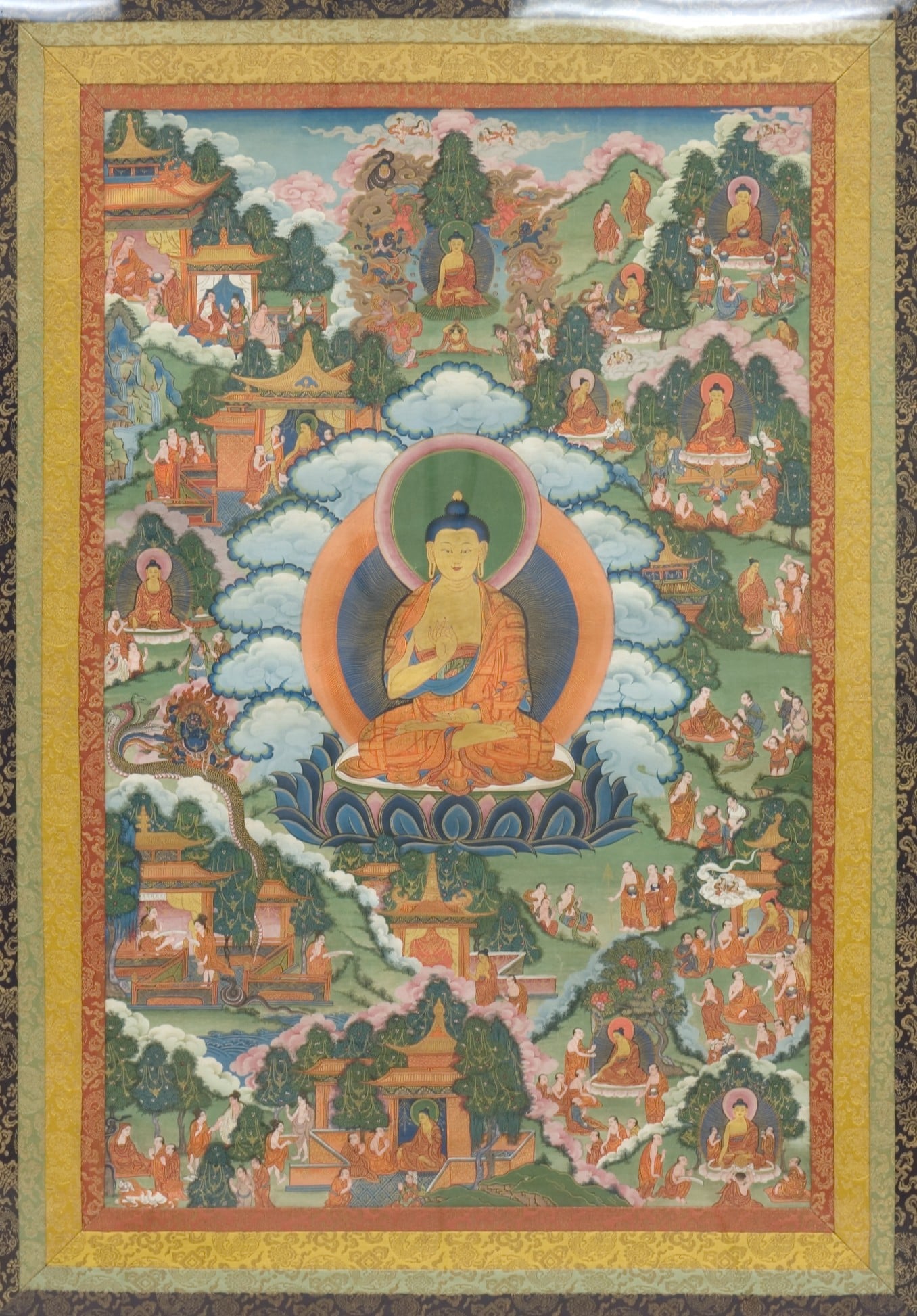
The Upanishads and the Bhagavad Gita are the philosophical heart of Hindu Vedanta and yoga; the Tao Te Ching is the founding text of Daoist thought; the Tibetan Buddhist tradition preserves elaborate systems of meditation and ritual, often called Vajrayana or “esoteric” Buddhism.
“Esoteric Buddhism” was also the title of A. P. Sinnett’s 1883 theosophical book, which presented Blavatsky’s teachings as Buddhist doctrine. It is a document of Western reception, not of Buddhism itself.
Why It Matters
These texts are among humanity’s most refined maps of consciousness, and their reception transformed Western esotericism, from Theosophy to Jung and the modern meditation movement.
Core Texts
Primary Eastern texts in classic translations, with key works of Western reception.
A Beginner’s Sequence
The Gita
A dialogue on action, devotion and knowledge; the most widely read Hindu scripture in the West.
The Upanishads
The older, more philosophical sources behind the Gita.
Tibetan Buddhism
Surveys of the Tibetan paths of practice.
The theosophical lens
Read last, as evidence of how the West first understood these traditions.