Theosophy and Blavatsky
The movement that joined East and West in one esoteric vocabulary.
Founded in New York in 1875, the Theosophical Society set out to recover a single “ancient wisdom” behind the world’s religions. Helena Petrovna Blavatsky’s Isis Unveiled and The Secret Doctrine became its scriptures; Annie Besant and C. W. Leadbeater extended it into a vast literature on karma, reincarnation and the subtle bodies.
Whatever one makes of its claims, Theosophy was the channel through which terms like karma, chakra and astral plane entered Western esoteric speech, and it seeded Anthroposophy, the Rosicrucian Fellowship and much of twentieth-century alternative spirituality.
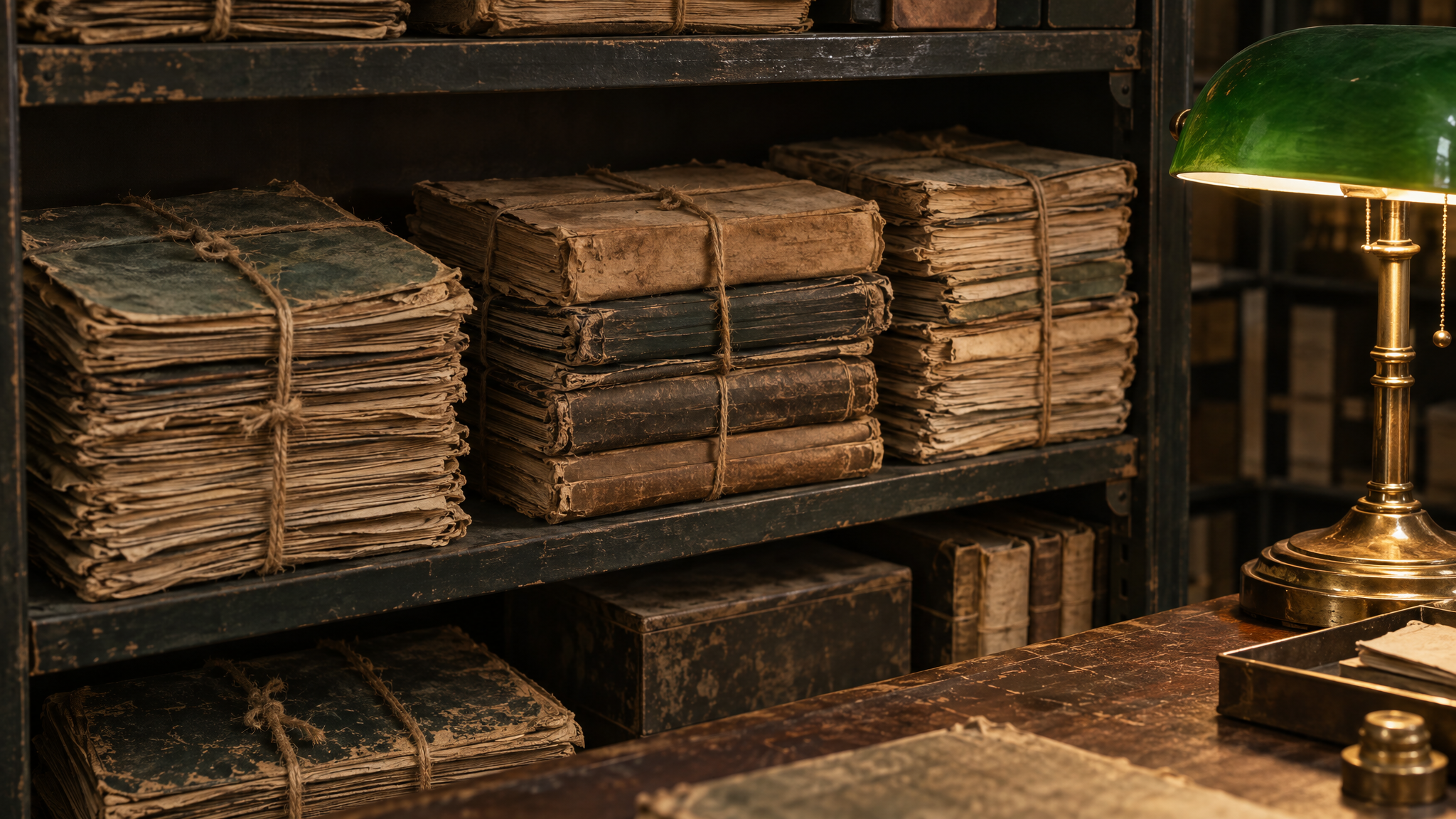
Isis Unveiled and The Secret Doctrine are long, allusive and polemical; few readers finish them straight through. A better approach is to start with The Voice of the Silence or a shorter exposition by Sinnett or Judge, then use the larger works as reference, following their themes of root races, cosmic cycles and the Masters. The shelf also includes critics and successors, because Theosophy was argued over from the start. Reading it historically, as a nineteenth-century attempt to join Eastern religions, Western occultism and evolutionary science, makes its enormous influence easier to understand.