Tarot Beyond Fortune-Telling
From Renaissance card game to symbolic system.
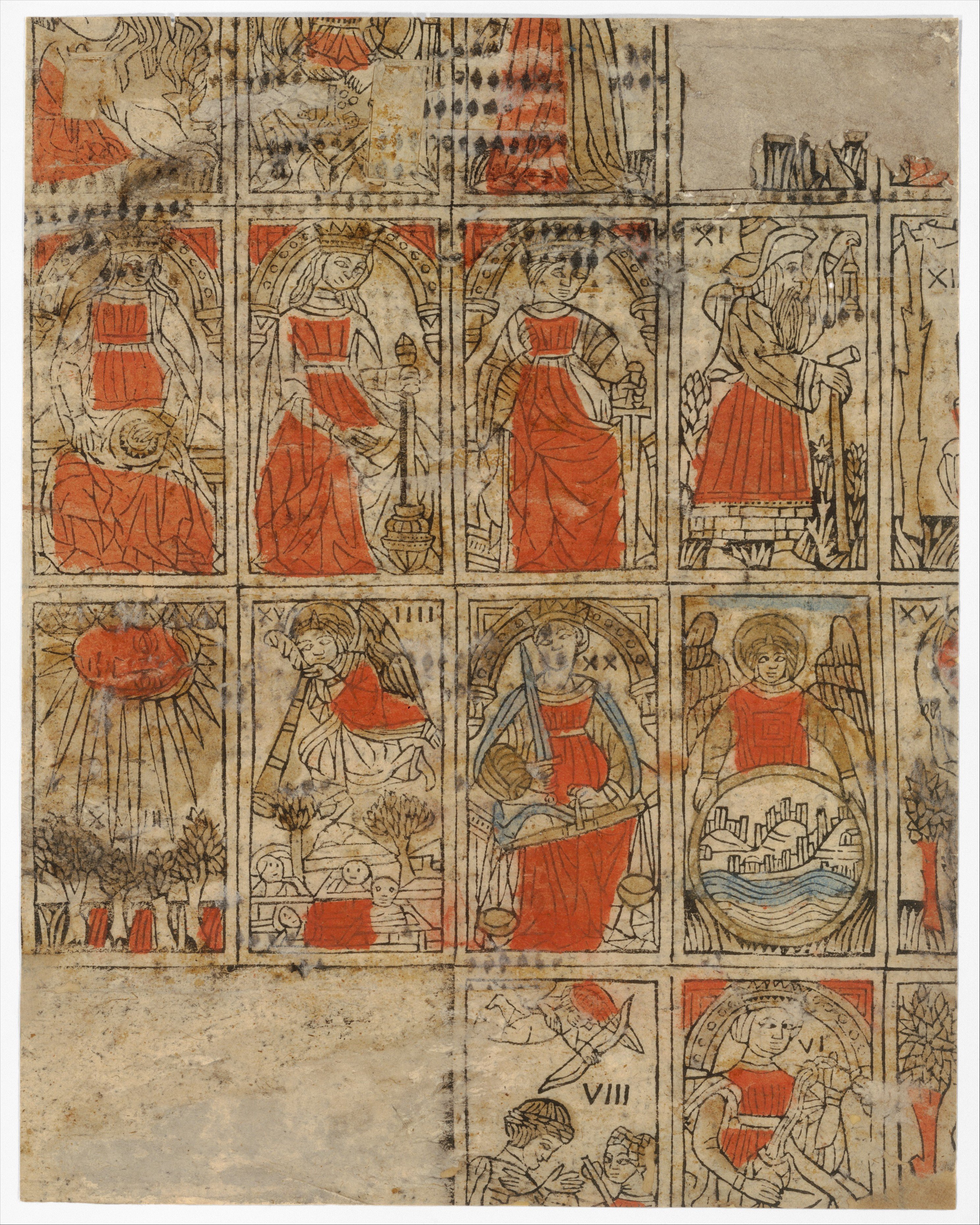
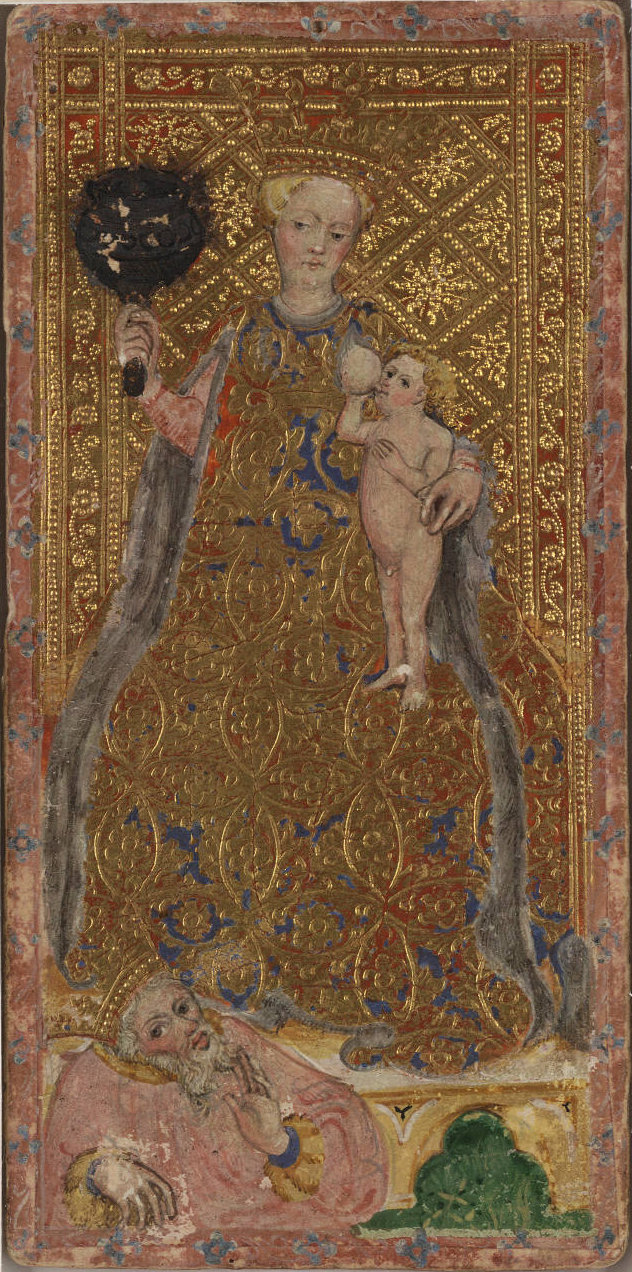
Tarot began in fifteenth-century Italy as a luxury card game, the trionfi, with a suit of allegorical trumps. Only in 1781 did Antoine Court de Gébelin claim it as a book of ancient Egyptian wisdom, and from that claim grew the occult tarot.
This guide follows the cards from game to symbol system, and points to the books that shaped how tarot is read today.
What It Is
A tarot deck has four suits of pip and court cards and twenty-two trumps, the “Major Arcana”. Éliphas Lévi linked the trumps to the Hebrew letters; Papus built a whole philosophy on them; the Golden Dawn mapped them onto the Tree of Life.
In 1909 A. E. Waite and Pamela Colman Smith published the deck that, with Waite’s Pictorial Key, became the modern standard, and Crowley’s Book of Thoth offered a rival system.
Why It Matters
Read historically, tarot is a compact archive of Renaissance allegory and nineteenth-century occult theory. Read symbolically, it is one of the most widely used contemplative tools in the West.
Core Texts
The classic occult tarot books, from Papus to Crowley.
Visconti-Sforza Tarot Cards
Attributed to Francesco Zavattari (formerly to Bonifacio Bembo)
Visconti-Sforza Tarot Cards
Attributed to Francesco Zavattari (formerly to Bonifacio Bembo)
Italian · Tarot
A Beginner’s Sequence
The standard key
Waite’s short book accompanies the deck most people know. Learn the images first.
The French system
Papus’s ambitious synthesis links tarot with Kabbalah, numbers and astrology.
Symbolic meditation
Ouspensky and Case treat the trumps as a path of inner development.
Crowley’s tarot
Advanced. Read after some Kabbalah and Golden Dawn background.